The guide outlines practical steps for deploying the 168.74 router in a home or small office. It emphasizes proper placement, secure connections, and initial access to the admin page. Users should expect a measured sequence: power and cable checks, first-time login, and firmware updates, followed by essential security hardening. A solid foundation—Wi‑Fi configuration, guest access isolation, and disabled WPS/UPnP—is presented as prerequisites before optimizing performance. The next section promises concrete, stepwise instructions.
What Is the 168.74 Router and Why You Need It
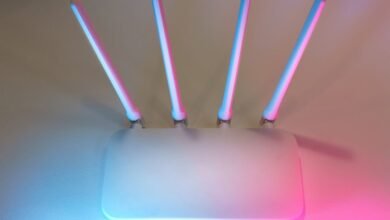
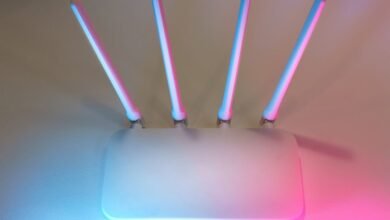
The 168.74 router is a networking device designed to manage data traffic between local devices and the broader internet. It provides a concise router overview, detailing throughput, security features, and configuration options.
The 168.74 device supports varied use cases, from small offices to home networks, enabling controlled access, monitoring, and reliable connectivity for liberated, interconnected environments.
Step-by-Step: Physically Wiring and Powering the Device
To begin implementing the networking setup, the user proceeds with the physical installation by inspecting the device’s ports and power input, ensuring the router is placed on a stable surface and within reach of a mains outlet.
Setup basics are confirmed, power considerations evaluated, and wiring clarity ensured.
Detailing connectors, users maintain a clean, deliberate workflow, prioritizing reliability and freedom through precise, methodical steps.
Accessing the Admin Page and First-Time Setup
Accessing the admin page is the initial step in configuration, typically performed by connecting a computer to the router via a wired Ethernet port or a secure wireless link and navigating to the device’s default IP address.
First time login establishes baseline settings; admin page overview covers navigation, Second: firmware updates and parental controls, enabling purposeful, autonomous network management with freedom.
Configure Wi‑Fi, Security, and Common Tweaks for a Solid Network
Configuring Wi‑Fi, security settings, and common adjustments establishes a robust baseline for network performance and protection.
The approach emphasizes deliberate SSID naming, WPA3 if available, strong passphrases, and guest network isolation.
Disable WPS, UPnP where possible, and update firmware routinely.
Focus on Wi Fi security and Network hardening to maintain resilient, freedom‑friendly connectivity with minimal exposure and optimal throughput.
Frequently Asked Questions
How Do I Reset the 168.74 Router to Factory Settings?
A factory reset is performed by initiating the Reset procedure: press and hold the reset button until status lights change, then release. Afterward, restore firmware sources, complete a firmware download, and reconfigure settings to reflect fresh parameters.
Where Can I Download the Latest Firmware for 168.74?
In a hypothetical case study, the latest firmware for 168.74 can be downloaded from the manufacturer’s official support page. The process involves verifying device compatibility, performing a firmware upgrade, and conducting network diagnostics to confirm stability.
Can I Bypass ISP DHCP on This Router?
The answer: Yes, bypass dhcp is possible with manual static IP configuration, though it requires careful networking changes. Factory reset alternatives involve firmware tweaks or advanced settings; proceed cautiously, ensuring security and compliance while pursuing freedom in control.
What Should I Do if the Admin Page Is Unreachable?
An example: a user cannot reach the admin page; they disable firewall, then change DNS to restore access. If unreachable, they verify cable/link, reset to default, then reconfigure, noting disabling firewall and changing DNS as needed.
Is There a Mobile App for Managing the 168.74 Router?
There is no official mobile app for the 168.74 router; management remains via web interface. If available, a mobile companion may support firmware updates, but reliability varies. Practitioners prefer direct firmware updates through the router’s built-in interface.
Conclusion
In summary, the 168.74 router provides a stable, secure backbone for home or small-office networks when properly configured. From physical setup to the admin-first login and timely firmware updates, each step strengthens reliability and protection. After enabling WPA3, isolating guest networks, and disabling WPS/UPnP, administrators enjoy consistent performance and fewer vulnerabilities. Isn’t a disciplined, repeatable setup the key to enduring network security and uninterrupted connectivity?