The guide begins with locating the router’s default address from the device label or underside, then attempts admin access at that IP. If access fails, it proceeds to a hardware reset and a fresh setup via the wizard. It emphasizes secure SSIDs, strong WPA2/WPA3 passwords, guest isolation, and careful credential documentation. Firmware updates and a reproducible maintenance process are planned for ongoing security hardening, with clear steps and checkpoints that invite scrutiny and continuous improvement. A methodical path awaits the next step.
How to Locate the 02 Router’s Default Address
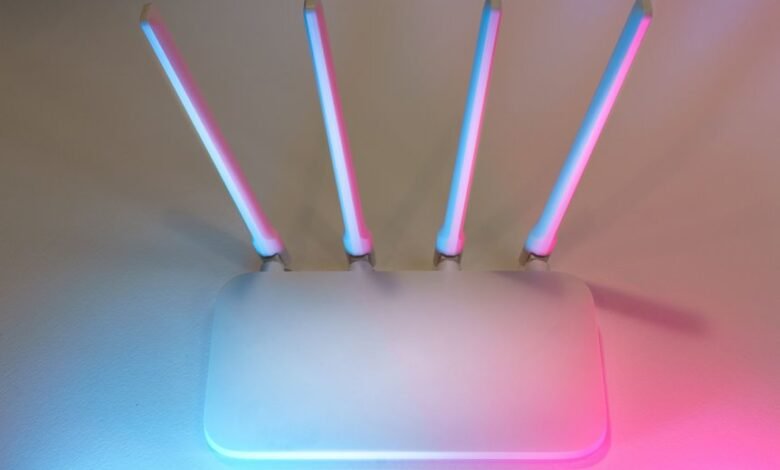
To locate the 02 router’s default address, start by checking the device label or underside for the default gateway information.
The method proceeds by identifying the router’s IP, then confirming access via the admin console.
For users seeking freedom, note password recovery options and guest network settings before proceeding with any changes to security or access policies.
Which Credentials to Try First (And How to Reset)
The first credentials to try are the default administrator username and password pair commonly labeled on the router or in the manual, followed by any documented default guest or recovery credentials. If access fails, performing a hardware reset restores the most common defaults and prompts re-login.
How to reset involves pressing the reset button, then reconfiguring from the setup wizard for essential functions.
Essential Wi‑Fi and Security Settings to Configure
Setting up a router requires configuring core wireless and security options beyond the login credentials. The 02 router must establish SSID, encryption, and passphrase with WPA2/WPA3 as applicable, plus guest and device isolation. Document default address access, security hardening, and firewall rules. Plan firmware updates, ongoing maintenance, and routine reboots to sustain reliable, freedom-friendly connectivity.
Quick Steps for Firmware Updates and Ongoing Maintenance
Maintenance of router firmware and routine upkeep follow a concise, repeatable process.
The guide outlines quick steps for firmware updates and ongoing maintenance, emphasizing minimal downtime and reproducible results.
It presents a methodical sequence: verify version, back up configurations, apply updates, reboot, and test connectivity. Two word discussion ideas, irrelevant topic, ensure baseline documentation remains current and actionable for freedom-seeking administrators.
Frequently Asked Questions
How to Change the Router’s Default Password Once Logged In?
To change the password, access the router’s admin panel, navigate to Security settings, and select Change password. The system prompts for current and new credentials; after confirmation, router security is strengthened and access remains under strict control.
Can I Reset the Router Without Losing Modem Settings?
Yes, it is possible: perform a soft reset to preserve settings, then power cycle. To reset the modem without losing settings, use a dedicated reset option if available; otherwise, choose reboot with preserve configuration, avoiding full factory reset.
How to Enable Guest Network Access Securely?
To enable guest network, implement secure access by isolating guest traffic with network segmentation and guest quarantine, ensuring only internet access. The methodical approach: enable SSID, separate VLANs, enforce captive portal, and restrict local resources.
What Parental Control Options Are Available on the Router?
Approximately 78% of households use parental controls; the router offers Parental filters and Content scheduling. The system enforces filters by URL and app, logs activity, and allows time-based restrictions, device-specific profiles, and scheduled internet access windows.
How to Back up and Restore Router Configuration Files?
Back up the router configuration using the admin interface, then store the file securely. For restoration, follow restore procedures precisely. Maintain security best practices, verify integrity after firmware updates, and consider backup rights to access, modify, and reuse settings.
Conclusion
Locating the router’s default address and attempting standard credentials establishes access quickly, or signals the need for a hardware reset. From there, a precise configuration sequence—secure SSID, WPA2/WPA3, guest isolation, and documented credentials—frames a hardened baseline. Firmware updates and a repeatable maintenance routine complete the cycle. Like a craftsman sharpening tools, these steps pare risk to a fine edge, ensuring reliable, ongoing network security with repeatable results.