A 1.98 router requires a straightforward login and setup to secure its small network. The guide outlines locating the default IP, connecting a device, and accessing the admin panel with a browser. It emphasizes a firm first-time configuration: strong SSID, password, WPA3, disabled WPS, and guest isolation. Ongoing steps include firmware updates and routine maintenance to balance security with performance. The path forward is clear, but the next steps hold key details that matter.
What Is a 1.98 Router and Why You Should Login Now
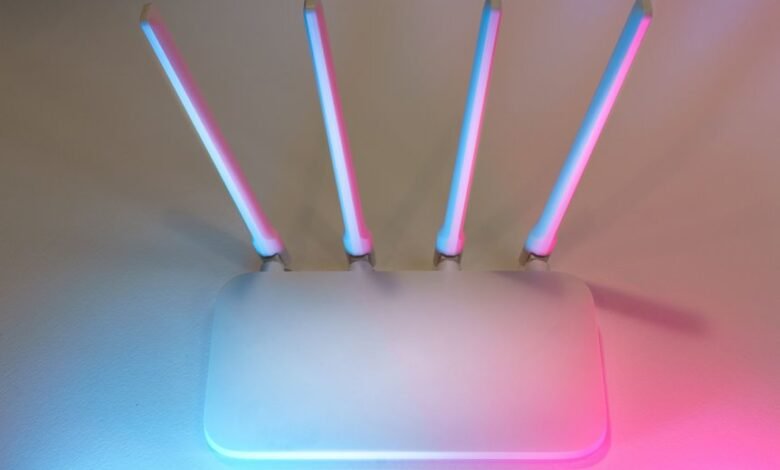
A 1.98 router refers to a compact wireless router model that provides basic home-network functionality, including internet access, device connectivity, and local network management. It enables straightforward control over network firmware updates and security settings.
Users benefit from guest access options, separating visitors from main devices while preserving network performance. Regular updates safeguard privacy and stability, ensuring reliable, freedom-minded connectivity.
Quick Login: Find, Connect, and Access the Admin Panel
To quickly access the admin panel, users should locate the router’s default IP address, then connect a device to the router via Wi‑Fi or Ethernet and open a web browser to that address.
The process emphasizes a smooth login flow with prompt prompts and minimal steps, while device discovery confirms active connections before entering credentials for secure access.
First-Time Setup: Essential Network and Security Tweaks
After the initial login, users should configure core network settings and baseline security to protect devices and data. Establish a strong SSID and password, enable WPA3, and disable WPS. Implement Wi Fi hardening by hiding broadcasts selectively and updating firmware. Enforce guest isolation to separate guest traffic from the main network, preserving speed and security for all devices.
Ongoing Security and Maintenance for a Safe Home Wi‑Fi
Ongoing security and maintenance require routine monitoring and disciplined configuration practices to sustain a safe home Wi-Fi environment. Regular checks identify unfamiliar devices and weak points, prompting immediate action. Implement practical encryption, enforce strong passphrases, and restrict guest access. Schedule firmware updates, backup configurations, and document changes. Maintain awareness of evolving threats, and calibrate defenses to sustain freedom and reliable network performance.
Frequently Asked Questions
Can I Replace the Firmware of a 1.98 Router?
The answer: Yes, one can replace firmware on some models, but only if the replacement is compatible. Replace firmware cautiously; verify firmware compatibility with the device to avoid bricking. Proceed with verified, trusted sources and recovery options.
How to Locate the Router’s Default Admin Password?
The default password is often printed on the router label or found on the login page’s reset prompts; consult the device manual. Security tips, parental controls, and strong credentials accompany the process for safe access.
Can I Access the Admin Panel From a Mobile Device?
Yes, mobile access is possible; the admin panel can be reached from a phone. To proceed, ensure the device is connected to the router’s network, open a browser, enter the router’s IP, and log in securely.
What to Do if the Router Won’T Connect to the Internet?
If the router won’t connect to the internet, reset briefly, check cables, and reboot devices—then test with another device. aspiring networks flourish through networking basics and security best practices, confirming firmware updates, DNS settings, and sustainable connectivity.
How to Reset the Router to Factory Defaults Safely?
The reset procedure restores factory defaults safely by powering the router, pressing the reset button, and waiting for LED indicators. Follow security considerations, verify firmware compatibility, reconfigure credentials, and reconnect devices after confirming settings are restored and updated.
Conclusion
In conclusion, careful configuration cultivates a compact, capable network. By briskly booting, binding basics, and backing up settings, users secure speedy access. Strong, secret SSIDs and solid security standards suppress slipping threats. Systematic software updates, slated sustainability, and scheduled snips of obsolete features keep the setup steady. Regular reviews reduce risk, restore reliability, and reinforce resilience. With meticulous, methodical maintenance, the 1.98 router remains robust, reliable, and ready for seamless, secure everyday use.