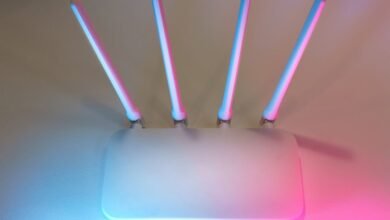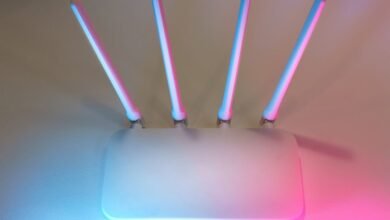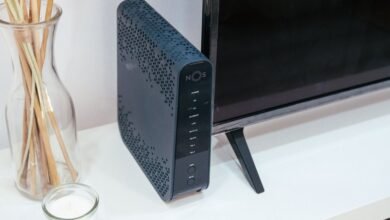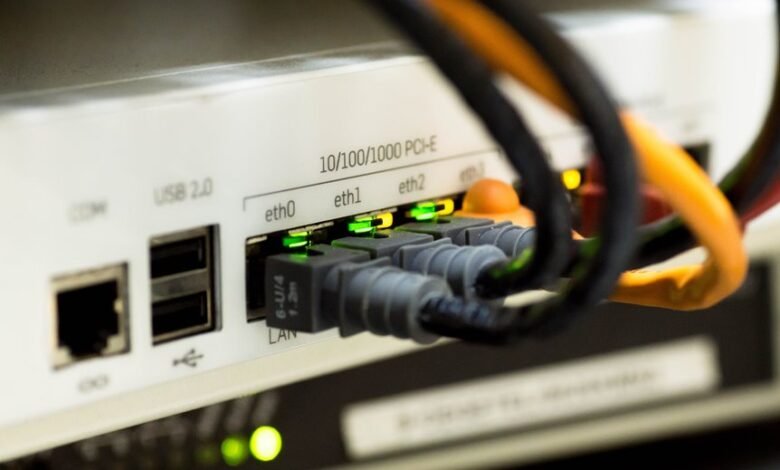
The 168.168.254 Router Login and Network Setup Guide presents a methodical approach to securing home networks. It outlines how to locate the router’s admin page, identify default credentials, and verify firmware status. Steps cover naming a unique SSID, configuring strong WPA2/WPA3 protections, and creating guest networks with restricted access. It also discusses parental controls and scheduling, plus ongoing practices like credential hygiene and regular reviews. The framework ends with actionable gaps that invite careful follow-through.
How to Access the 168.168.254 Router Admin Page
To access the 168.168.254 router admin page, users must connect a device to the router’s local network and open a web browser. The process is documented with exact steps to minimize exposure. Clear, consistent actions emphasize ideas and router security, ensuring configurations remain protected.
A disciplined approach reduces attack vectors, preserving autonomy while maintaining centralized control over access and settings.
Identify the Default IP, Username, and Password
Identifying the default network credentials begins with locating the device’s documented defaults: the IP address, the administrative username, and the corresponding password. This step emphasizes precise, verifiable data rather than guesswork. Record the default credentials associated with the router branding, noting any variations by firmware. Proper handling preserves security and preserves user freedom, preventing unauthorized access.
Set Up Wi‑Fi Name, Password, and Security
Setting a unique Wi‑Fi name (SSID) and a strong password is essential for network security and user clarity; selecting a descriptive yet non-identifying SSID helps distinguish the router while reducing exposure of personal information.
The guide covers setup wi fi, enforcing password security, enabling guest networks, and applying parental controls to balance access with safeguarding.
Create Guest Networks and Basic Parental/Access Controls
Do guest networks and baseline parental/access controls provide a practical layer of security without complicating daily use, and how should they be configured on 168.168.254 routers?
Create guest networks to segregate devices while preserving bandwidth.
Basic parental controls enforce content filtering, access scheduling, and device isolation.
Network security tips emphasize strong credentials, regular updates, and audit logs for freedom-minded households.
Frequently Asked Questions
How Often Should I Update Firmware on This Router?
Firmware maintenance should occur promptly when updates release, ideally on a routine quarterly basis or sooner if critical patches appear. This practice supports security hardening and preserves performance, aligning with a security-minded, freedom-seeking network governance approach.
Can I Run a Guest Network Without Internet Access?
A guest network without internet access is possible, provided network isolation is enforced; the device should enable a dedicated guest SSID with wi fi isolation to prevent access to internal resources while permitting local connectivity for offline testing.
How Many Devices Can Connect Simultaneously?
Historically, the router supports multiple connections, but practical limits vary by model; typically around 20–50 devices. The emphasis remains connection stability and device prioritization, ensuring security-minded, freedom-seeking users maximize performance without compromising network integrity.
Is There a Web-Based Backup of Settings?
There is no dedicated web-based backup of settings. A cautious approach favors exporting configuration, storing it offline, and performing a security audit. This method preserves freedom while ensuring reproducibility and resilience against unauthorized access or data loss.
What Should I Do if I Forget the Admin Password?
If a user forgets the admin password, pursue Admin recovery steps, then consider a firmware update cadence to improve security; review web based backup options, assess Guest network limitations, and ensure a strict concurrent device limit for safety.
Conclusion
Conclusion: The 168.168.254 router setup is a methodical blueprint for a secure home network. By identifying defaults, configuring unique SSIDs and strong credentials, and enabling guest and parental controls, users harden exposure without sacrificing usability. Ongoing habits—firmware updates, log reviews, and credential hygiene—keep the shield intact. In this cadence, security is a steady drumbeat guiding every tap, a lighthouse steadying each connection amid turbulent digital seas.