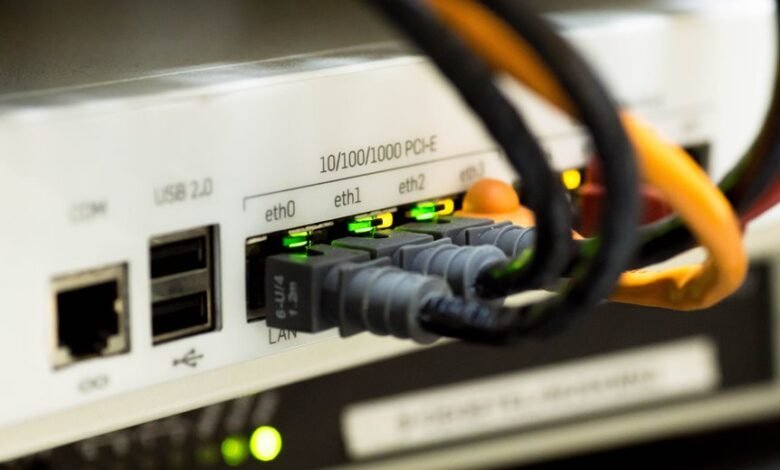
The guide outlines how to access the 168.178 router via its default IP and admin credentials, then proceed to wireless configuration. It covers optimizing channel selection, transmit power, and placement for stable coverage, along with firmware updates and password management. Security, parental controls, and baseline configurations are addressed to support scalable network administration. Readers face practical steps and potential issues, with considerations that may prompt further scrutiny of settings, coverage patterns, and recovery options. The path forward invites closer examination of each step.
How to Log in to 168.178 Router
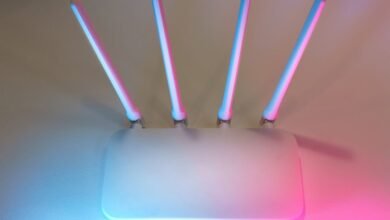
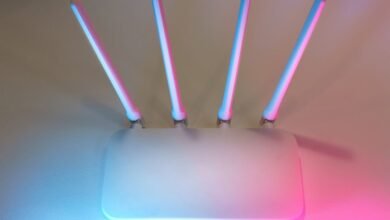
To log in to a 168.178 router, access the device’s web interface via a browser using the router’s default IP address (commonly 192.168.0.1 or 192.168.1.1).
The procedure defines a login portal, requiring IP address access with precise credentials.
After authentication, configure wireless security settings, verify device compatibility, and ensure a secure, freedom-oriented network posture.
Wi-Fi Optimization and Coverage Tips
Wi-Fi optimization and coverage is addressed by translating the login configuration into concrete network improvements. The discussion concentrates on channel selection, transmit power, and placement strategy to maximize signal integrity. It outlines coverage tips, including hotspot triangulation and interference assessment. Objective metrics guide adjustments, ensuring stable throughput, reduced dead zones, and scalable performance while preserving user autonomy and operational clarity. wifi optimization, coverage tips.
Secure Your Router: Firmware, Passwords, and Parental Controls
Ensuring router security begins with up-to-date firmware, robust administrative passwords, and effective parental controls. The assessment emphasizes formal security audits, routine firmware checks, and documented configuration baselines.
Parental controls limit content and devices, while authentication enforces access rights. Structured policy implementation, versioned settings, and periodic reviews maintain resilience, minimize exposure, and empower informed owners without compromising operational freedom.
Troubleshooting and Recovery: Can’t Access Admin Panel or Wireless Issues
When a router becomes inaccessible for admin configuration or device wireless connectivity falters, a systematic approach is required to restore control and restore service.
The section outlines troubleshooting steps, diagnostic checks, and recovery options, including evaluating wireless interference, implementing signal boosting, and verifying password security.
It also covers parental controls adjustments to reestablish stable access and secure administration.
Frequently Asked Questions
What Devices Support 168.178 Router Features?
Device compatibility varies by model; manufacturers list supported interfaces and standards. Firmware hype often precedes real-world performance, so evaluation should focus on stability, security features, and documented compatibility. Independent testing provides clearer expectations for freedom-loving users.
How to Update Router Firmware Manually?
Satire aside, one solves this precisely: updating firmware via manual installation requires downloading the correct image, accessing router admin, choosing firmware upgrade, and verifying device compatibility; proceed with networking basics, backups, and caution to avoid brick risk.
Can I Set Guest Wi-Fi Access Limits?
Yes, guests can be limited with time or data rules. The configuration enables guest access and bandwidth control, assigning separate SSIDs, QoS profiles, and rate caps to isolate guest traffic while preserving core network performance.
How to Reset My Router to Default Settings?
“Every cloud has a silver lining.” The reset procedure restores factory defaults; perform a hardware reset, then reconfigure. Backup firmware before changes. Re-enable guest access and parental controls as needed, ensuring security and ongoing network freedom.
Are There Parental Controls for Individual Devices?
Yes; parental controls can be applied per device. The system supports device zoning, enabling individual rule sets, time limits, and content filters tailored to each device, independent of others on the network. Settings are configurable via the router’s管理 interface.
Conclusion
In a world where the 168.178 router supposedly self-manages, the conclusion is delightfully precise: a vigilant administrator still logs in, updates firmware, and secures passwords, because automation never quite replaces thoughtful setup. Coverage maps are consulted, channels tuned, and dead zones eliminated—ironically, with simpler steps than expected. The device remains reliable only with disciplined documentation, regular reboots, and a watchful eye on interference. Technical thoroughness, not luck, preserves network autonomy and security.