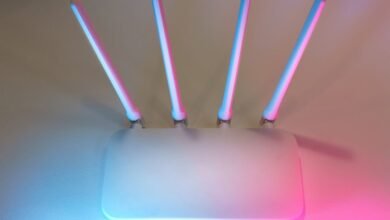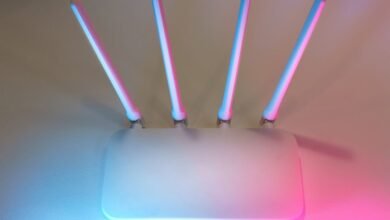
Access to the 168.10.4 admin panel begins with a device on the local network and a browser directed to the router’s IP. Authentication follows, after which firmware updates, WPA3 enablement, and firewall, parental controls, and guest access can be configured in a controlled sequence. Each change should minimize downtime and be verified for connectivity, with configurations backed up beforehand. Automated updates should be scheduled to enforce consistency, yet questions remain about optimal policy granularity and maintenance cadence.
How to Access the 168.10.4 Admin Panel
To access the 168.10.4 admin panel, users should connect a computer to the router’s local network via Ethernet or Wi‑Fi and open a web browser. The access port is accessed through the device’s IP address, yielding a login interface. After authentication, perform a firmware update if indicated, review status, and apply configuration changes with minimal downtime and clear rollback options.
Quick Start: Essential 168.10.4 Settings for Secure Wi‑Fi
Configuring solid Wi‑Fi security begins with the 168.10.4 router’s basic wireless and access controls.
The quick start emphasizes strong SSID practice, WPA3 where available, and consistent encryption.
Monitor security vulnerabilities via status reports and enable automatic firmware updates on a fixed schedule.
Disable unnecessary services, document changes, and verify connectivity after each configuration step for reliable operation.
Fine‑tuning Network Security: Firewall, Parental Controls, and Guest Access
This section details the targeted controls that govern network defense and user access: firewall rules that filter inbound and outbound traffic, parental controls that restrict content and device usage, and guest access configurations that isolate non‑trusted devices.
The configuration mitigates privacy risks while maintaining usability, emphasizing timely firmware updates, rule auditing, and centralized policy enforcement for scalable, secure, and freedom‑respecting network management.
Troubleshooting and Ongoing Maintenance for 168.10.4 Router
Maintenance of the 168.10.4 router requires a structured approach to troubleshooting and ongoing upkeep that builds on prior firewall, parental controls, and guest access configurations. Troubleshooting emphasizes clear diagnostics, log analysis, and repeatable steps.
Balanced maintenance ensures timely firmware updates, configuration backups, and reset procedures, while minimizing downtime and preserving security, performance, and user autonomy through disciplined, repeatable workflows.
Frequently Asked Questions
What Is the Default Login Port for 168.10.4?
The default port is not specified in the provided materials; login access typically occurs through standard administrative ports. However, exact port assignments may vary by device model, firmware, or custom configuration, and should be confirmed in official documentation.
Can I Update Firmware Without Losing Settings?
Firmware updates may preserve settings if a backup is created beforehand; perform firmware backups and verify settings preservation after update. The guide frames a disciplined procedure, enabling confident upgrades while maintaining configuration integrity and user autonomy.
How Do I Access Router USB Printer Sharing?
To access USB printer sharing, enable USB printing and configure Network sharing on the router’s admin interface; connect the printer via USB, then enable shared access. This supports USB printing and Network sharing for versatile, independent use.
Is There a Built-In VPN Supported by 168.10.4?
The device does not provide a built-in VPN; instead, it supports remote management with built-in encryption for secure administration. Users seeking VPN-like functionality should configure external solutions, ensuring compatibility and safeguarding control over network resources and privacy.
How Do I Reset to Factory Settings Safely?
Reset procedure: perform a factory reset only via physical button after powering down, then reinitialize settings with caution. The procedure ensures factory safety by erasing configurations while preserving hardware integrity, enabling deliberate, freedom-focused reconfiguration.
Conclusion
In the quiet lattice of the 168.10.4 network, the admin panel stands as a sunrise gate: firmware updates whispering new light, WPA3 sealing doors with crystal precision. The firewall scripts are a moat, parental controls a watchful lantern, and guest access a passing breeze—each setting backed, each change verified, downtime minimized. Regular backups crystallize policy into memory, and automatic updates sculpt resilience. Connectivity endures, security rises, and centralized governance keeps the sanctuary safe.