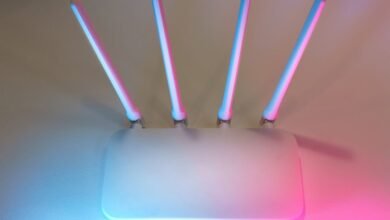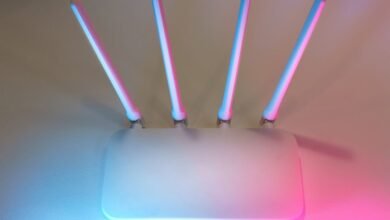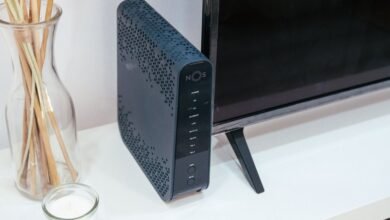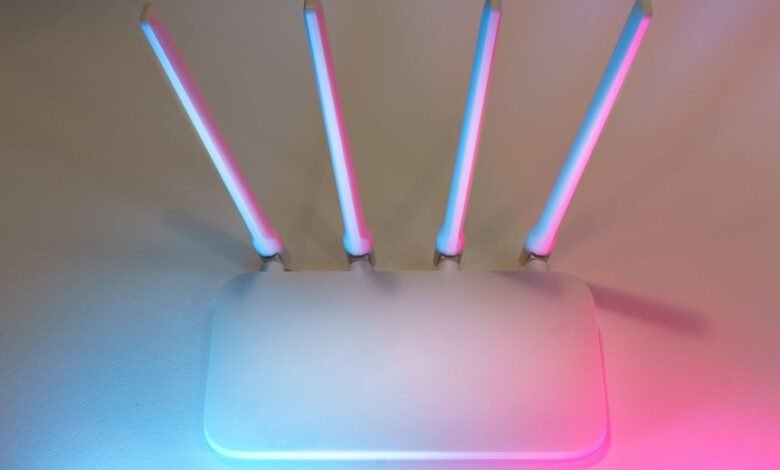
Access to the 192168.15.1 login page begins with a direct connection to the router’s network. The procedure requires a valid administrator credential and a firm password policy. After sign-in, the user should document each change, verify encryption, and review firmware status. The guide then outlines steps for SSID naming, channel selection, and a restricted guest network. The next steps reveal critical configuration details that influence security and performance, warranting careful preparation before proceeding.
How to Access the 192168.15.1 Login Page
To access the 192168.15.1 login page, open a web browser on a device connected to the router’s network and enter the IP address 192.168.15.1 into the address bar.
The login page loads, presenting authentication fields. Users follow standard prompts to proceed.
This two word discussion ideas: login page, IP address. The procedure remains concise, independent, and technically oriented for freedom-loving readers.
What Credentials to Use and How to Reset Them if Needed
Access credentials are typically the router’s default username and password, but these should be changed to prevent unauthorized access.
The procedure begins with logging into the admin interface, then navigating to System or Management settings to review current credentials.
If forgotten, perform a password reset via physical button or web option, then reconfigure a strong password and enable guest network as needed.
Securing Your Wifi: Password, Encryption, and Basic Firewall Tips
Securing the wireless network begins with selecting a strong, unique password and enabling robust encryption. The guide emphasizes consistent firmware updates, enables firewall basics, and logs monitoring to mitigate threats. Consider wifi performance when balancing security tradeoffs; adjust router placement to minimize exposure. Ensure device compatibility with supported protocols. Maintain minimal attack surfaces while preserving accessible connectivity.
Configure Essential Settings: SSID, Channel, and Guest Network Options
Configuring SSID, channel selection, and guest network options follows directly from prior security-oriented setup, focusing on practical network visibility and access control. Settings are adjusted deterministically: assign an identifiable SSID, select optimal channel, and enable a restricted guest VLAN with captive portal. Consider disaster recovery planning and hardware benchmarking implications for stable, repeatable wireless performance across environments. Maintain documentation and version control.
Frequently Asked Questions
How Can I Troubleshoot a Blank Login Page?
A technician investigates a blank login page by verifying network connectivity and router firmware integrity; troubleshooting login steps, blank page symptoms, and security settings are methodically checked, ensuring firmware updates, secure browser handling, and proper DNS resolution.
Can I Change the Router’s Default IP Address?
Yes, the router’s default IP address can be changed. The procedure involves accessing admin settings, locating the LAN or IP configuration section, and updating the gateway IP, then rebooting. Two word discussion ideas, irrelevant topics.
Is There a Mobile App for Management?
Yes, a mobile app for management exists, though availability varies by model. Allegorically, a silent courier oversees firmware auto update controls, granting freedom through precise, procedural interfaces and mobile app management of device settings and monitoring.
How Do I Update the Router Firmware Automatically?
The device supports update firmware via auto update settings; enable auto update under administration, then confirm. If the login page appears blank, refresh, check connectivity, and retry. Troubleshooting steps ensure firmware aligns with security and performance goals.
What Parental Control Options Are Available?
Parental control options include content filtering, time limits, and site whitelists. Device access scheduling enables timed internet availability. The guide notes configuration steps, defaults, and rollback procedures, emphasizing user autonomy while maintaining network security and administrative oversight.
Conclusion
With the router accessed at 192.168.15.1, users should document every change, including SSID, channel, and guest network settings, and maintain strong admin credentials. A key stat: modern WPA3 networks reduce common wireless attacks by up to 30–60% compared to WPA2, depending on configuration. This underscores the importance of enabling strong encryption and frequent firmware updates. Following a precise, procedural approach ensures a secure home network and auditable configuration history.