The 1921681231 Router Network Setup Guide presents a structured approach to establishing a secure home or small-office network. It emphasizes verifying device reachability and accessing the admin interface with known credentials. The guide then outlines wireless basics, from SSID and encryption to channel selection and guest networks. It also covers essential hardening, firmware checks, QoS, and disciplined IP planning. The framework promises repeatable, auditable deployments, but a crucial step remains to be weighed before proceeding.
How to Find and Verify Your 192.168.1.231 Router’s Default Login
To locate the 192.168.1.231 router’s default login, users should verify that the device is reachable on the local network via a direct connection or trusted wireless network, then check the device label or manual for the default IP, username, and password associated with the model. This process emphasizes finding non network ideas, unrelated topics, ensuring precise, methodical verification overall.
Accessing the Admin: Password, Interface Basics, and Initial Security Steps
Accessing the admin interface begins with logging into the router using the default or previously set credentials, then verifying connection stability before proceeding. The procedure remains precise and methodical: access the web UI, review interface basics, and confirm account autonomy.
Emphasis rests on Router security configurations and disciplined change procedures, while maintaining a mindset oriented toward Wireless optimization and controlled, auditable access.
Set Up Wireless and Network Basics: SSID, Encryption, Channels, and Guest Access
Setting up wireless and network basics involves configuring the SSID, selecting appropriate encryption, choosing stable channels, and establishing a guest network. The procedure defines network topology relationships and supports device onboarding with consistent credentials. A precise configuration sequence minimizes interference, ensures predictable performance, and preserves freedom to manage access. Documentation records settings, channel plans, and guest access rules for repeatable deployments.
Key Hardening and Performance Tweaks: Firewalls, Firmware, QoS, and IP Planning
Key hardening and performance tweaks focus on establishing robust security foundations while preserving network efficiency.
The section surveys firewall hardening practices, firmware integrity checks, and disciplined QoS configuration, ensuring predictable behavior under load.
It documents firmware update cadence, access controls, and IP planning for scalable segmentation.
Emphasis remains on firewall hardening and qos optimization to support secure, freedom-centric network operation.
Frequently Asked Questions
How Can I Access the Router’s Admin Page Remotely?
Access can be configured via the router’s admin interface using a secure remote method, such as VPN or HTTPS with strong authentication. Remote access, Network security, and proper port management ensure controlled exposure and reduce risk to critical devices.
What Physical LEDS Indicate Router Health or Faults?
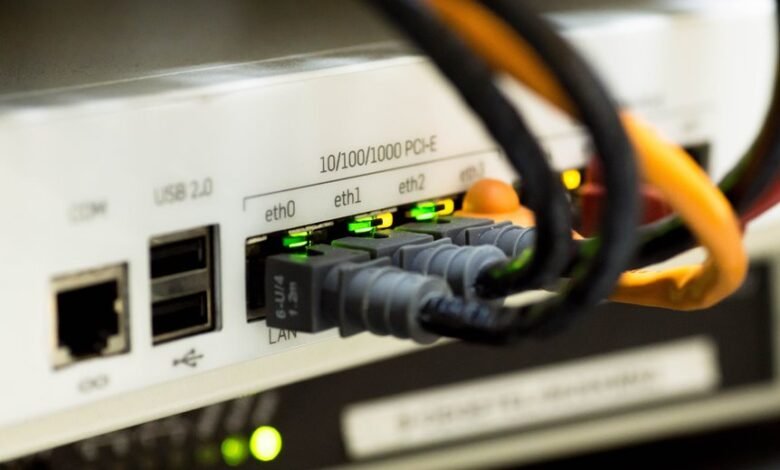
LED indicators show health status: solid power, blinking activity, amber for faults, red for critical. Indicators signal admin access and remote management readiness; backup restore and configuration events flash. IP conflicts or subnet collisions trigger specific LED alerts; offline access possible.
How Do I Backup and Restore Router Configurations?
Backups should be performed with a defined backup cadence, exporting full configurations and relevant certificates. For restoration, conduct restore verification and test connectivity. Include firmware rollback capability and security auditing to ensure integrity and traceability throughout the process.
Can I Set up a Guest Network Without Internet Access?
A guest network can be set up without internet access; the device remains isolated. The administrator enables a separate guest network, restricts internet access, and ensures remote access to the admin page is secured for management purposes.
What Are Common IP Address Conflicts and How Fix Them?
Common IP address conflicts include duplicate addresses, subnet overlaps, and DHCP scope overlaps. They are fixed by reserving addresses, changing static assignments, and adjusting DHCP ranges. Two word ideas1: address duplication; two word ideas2: network planning.
Conclusion
In summary, the 1921681231 router network setup guide presents a precise, repeatable process: verify reachability, securely access the admin interface, configure wireless basics with sensible defaults, and apply hardened settings—firewall rules, firmware checks, QoS, and disciplined IP planning. This systematic approach ensures auditable deployments and scalable resilience. Example: a small office reuses a documented SSID, WPA2 or WPA3, and a guest network, then tracks firmware and changes to maintain ongoing security and performance.