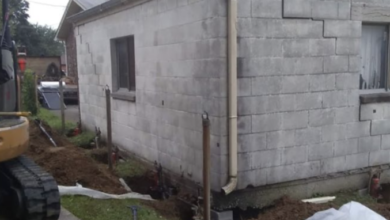
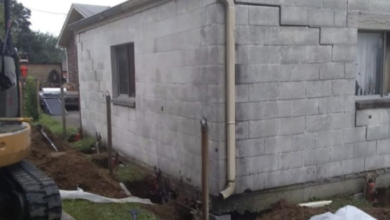
When Concrete Foundation Repair Becomes Part Of A Kansas City Home’s Long-Term Care

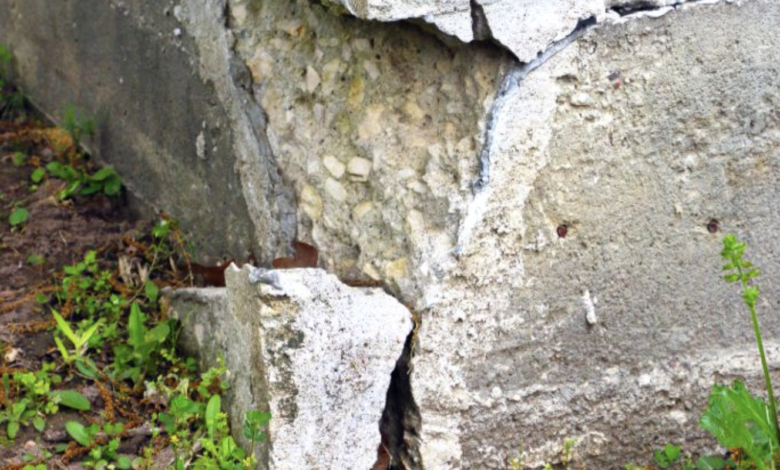
Concrete foundations are often seen as one of the most solid parts of a home. They feel permanent. Reliable. Built to last. Because of that, many homeowners assume that if something ever goes wrong, it will be obvious right away. In reality, concrete foundation issues tend to develop slowly, manifesting as small changes that are easy to overlook at first. A hairline crack in the basement wall.
A section of the floor that feels slightly uneven. A door that no longer closes as smoothly as it once did. None of these things feels urgent on its own, especially in a busy household. Over time, though, those small details can start appearing more often or in more places. Cracks may widen. Floors may feel less level. Moisture may linger near foundation walls after heavy rain. That’s usually when homeowners begin looking into concrete foundation repair kansas city to better understand whether what they’re noticing is normal aging or something that deserves closer attention.
Why Concrete Foundations Change Over Time
Concrete is strong but not completely rigid. It responds to soil pressure, moisture, and movement around it. In Kansas City, seasonal weather patterns play a big role in how foundations behave. Periods of heavy rain can cause soil to expand, increasing pressure against foundation walls. Dry stretches can cause soil to shrink and pull away from the concrete, reducing support.
This cycle of expansion and contraction happens year after year. Over time, it can put stress on concrete foundations, leading to cracks, shifting, or settlement. These changes rarely happen all at once. They build gradually, which is why many homeowners do not notice them until the signs become harder to ignore.
See also: How to Build Real Confidence Through Krav Maga Training
The Early Signs Many Homeowners Miss
Concrete foundation issues often announce themselves quietly. Cracks may form along basement walls or floors, especially near corners or where walls meet the slab. Some cracks remain thin and stable, while others slowly grow wider over time. It can be difficult to tell the difference without experience.
Other signs may include doors and windows that begin to stick, small gaps forming along the trim, or floors that feel slightly sloped. In some homes, moisture becomes part of the picture, showing up as dampness along the base of basement walls or a musty smell that does not fully go away.
Individually, these issues may seem cosmetic. Together, they often point to concrete foundation movement that deserves evaluation.
How Soil Conditions Affect Concrete Foundations In Kansas City
Soil composition varies across Kansas City, and that variation influences how foundations perform. Some soils hold water longer, increasing pressure on concrete walls during wet periods. Others dry out quickly, leading to settlement beneath the slab.
When soil shifts unevenly, concrete foundations can crack or sink in certain areas. This uneven support may cause parts of the home to settle more than others, creating stress throughout the structure. Over time, this stress manifests as repeated cracking, misalignment, or moisture intrusion.
Understanding how soil interacts with a foundation helps explain why concrete foundation repair is sometimes necessary, even in homes that appear well-built.
When Basement Cracks Become More Than Cosmetic
Basement cracks are one of the most common reasons homeowners start asking questions about concrete foundation repair. While some cracks are harmless, others indicate structural movement that should not be ignored.
Horizontal cracks, stair-step cracks in block walls, or cracks that widen over time often suggest pressure from surrounding soil. Vertical cracks that continue to grow may indicate settlement beneath the foundation. Cracks that allow moisture through can also increase the risk of long-term damage if left unaddressed.
The challenge is knowing which cracks matter and which ones can be monitored. That clarity often comes from understanding how the foundation behaves as a whole, rather than focusing on a single visible mark.
Why Surface Repairs Sometimes Do Not Last
A common experience for homeowners is patching a crack or repairing a section of wall, only to see the same problem return months later. The repair itself may be done correctly, but the underlying cause has not been addressed.
When concrete continues to move due to soil pressure or settlement, surface fixes are often temporary. New cracks may form nearby, or old ones may reopen. This repetition can feel frustrating and confusing.
Concrete foundation repair focuses on stabilizing the structure, not just hiding the symptoms. Once movement is controlled, surface repairs are far more likely to hold over time.
The Role Of Moisture In Concrete Foundation Issues
Moisture plays a significant role in many foundation problems. Water that collects around the foundation can increase soil pressure, weaken support, and seep through cracks in the concrete.
In Kansas City, heavy rainfall and seasonal storms can amplify these effects. Poor drainage, clogged gutters, or grading issues can worsen moisture-related stress on the foundation.
Concrete foundation repair is often paired with solutions that better manage water, reducing the likelihood of future movement or damage.
Concrete Foundation Repair As A Preventive Step
Not all foundation repairs are reactive. In many cases, addressing concrete foundation issues early helps prevent more serious problems later. Stabilizing a foundation before cracks worsen or settlement spreads can protect the structure and reduce overall repair needs.
Early repair may help preserve interior finishes, prevent moisture intrusion, and maintain the home’s overall alignment. It can also provide peace of mind by reducing uncertainty about whether existing issues will continue to grow.
For many homeowners, the value lies not only in fixing what is visible but in preventing what has not happened yet.
Understanding That Every Foundation Tells A Different Story
No two homes experience concrete foundation issues in exactly the same way. Age, soil conditions, construction methods, and environmental factors all play a role. Some homes develop cracks early and remain stable for years. Others experience a gradual settlement that affects multiple areas of the structure.
Because of this, concrete foundation repair is not a one-size-fits-all solution. It requires understanding how a specific foundation has responded to its environment over time and choosing an approach that supports long-term stability. That understanding helps homeowners make informed decisions rather than react out of fear or uncertainty.
Taking A Thoughtful Approach To Foundation Decisions
One of the most important parts of addressing foundation concerns is timing. Waiting too long can allow small issues to become more complex. Acting too quickly without understanding the cause can lead to unnecessary repairs.
A thoughtful approach balances observation with action. It involves paying attention to patterns, understanding how the home changes with the seasons, and recognizing when professional insight is helpful. Concrete foundation repair becomes less intimidating when it is viewed as part of responsible home care rather than an emergency response.
Moving Forward With Confidence And Clarity
From the experience of Kansas City Foundation Repair Specialists, homeowners often feel relieved once they understand what their foundation is doing and why certain signs keep appearing. Concrete foundation repair is not just about restoring structure. It is about restoring confidence in the home.
When the foundation feels stable again, everything above it feels more predictable. Floors feel steadier. Cracks stop spreading. Moisture becomes easier to manage.
Sometimes the biggest benefit is not the repair itself, but the clarity that comes with understanding what your home needs and why.
That clarity allows homeowners to move forward with confidence, knowing they are supporting their home for the long term rather than simply reacting to surface-level problems. Whenever you’re ready, send the next set of details, and I’ll keep the rotation going.